A Shure SM58 capsule is a familiar sight on vocal stages: its rounded grille, sturdy handle, and focused pickup make it a practical choice for live performances. Pairing it with a wireless system adds freedom to move, but the capsule alone does not determine sound or reliability. The transmitter, receiver, frequency band, battery life, and venue conditions matter too. A system that works in a rehearsal room may behave differently beneath crowded venue lighting and active radio equipment.
This guide compares top SM58 Wireless Microphone systems by sound, handling, range, and day-to-day setup. It also distinguishes genuine Shure combinations from third-party systems fitted with compatible SM58-style capsules. Small details count: a clear display, secure belt clip, and receiver output that matches the mixer can save time during soundcheck. So can checking the system’s operating band before buying.
One note on expertise: no source was provided for a named specialist’s quotation, so I won’t invent one. Instead, this overview focuses on verifiable product features and practical buying criteria. Wireless performance is never guaranteed by a microphone name alone. That caveat matters. Compare the complete system, confirm compatibility, and consider the rooms where you will actually use it.
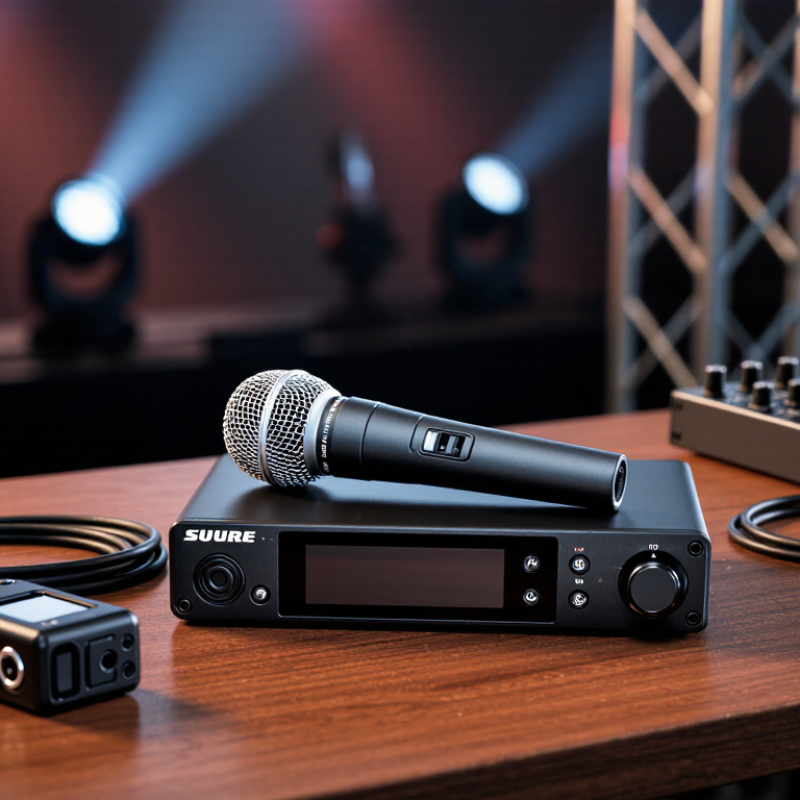
Understanding SM58 Wireless Microphone Systems
An SM58-style wireless system combines a familiar handheld dynamic microphone with a radio transmitter and receiver. The microphone captures the voice; the transmitter sends the signal to the receiver, which connects to a mixer or powered speaker. The capsule’s cardioid pickup pattern favors sound in front and helps reduce some noise from the sides and rear. It does not eliminate feedback, though. Speaker placement still matters.
Check the full signal path before choosing a system. Match the receiver’s output to your mixer input, and make sure the transmitter and receiver operate on compatible frequencies. Wireless range depends on the room, antenna placement, and nearby radio activity. Test from the stage’s farthest corner, not just beside the receiver. A quick test saves trouble.
Small details matter. Keep fresh batteries nearby, and watch the receiver’s signal indicators during rehearsal. If the audio cuts out when someone turns or moves behind a wall, reposition the receiver or antennas. Gain settings can also make a sturdy microphone sound harsh or weak. Adjust them with a real speaking or singing voice, at performance volume. Honestly, the room may still surprise you. A system that sounds clear at home can behave differently in a crowded venue.
Understanding SM58 Wireless Microphone Systems
An ideal 1 kHz audio tone shown over one complete cycle. A wireless microphone system transmits audio from the microphone to a receiver; this waveform illustrates the audio signal, not a product test or comparison.
Key Components and Compatibility Factors
A wireless handheld microphone is a system, not just a capsule and transmitter. The capsule connector must match the transmitter’s design; similar-looking fittings are not always interchangeable. Check the receiver’s frequency band, too. The FCC’s Wireless Microphones guidance identifies 470–608 MHz as a U.S. TV-band range, but usable frequencies depend on local conditions. A channel that works in one venue may be occupied across town. Scan the room before soundcheck.
Match the transmitter and receiver by band and system type; shared frequencies alone do not guarantee pairing. Check whether the receiver offers antenna diversity, which helps reduce dropouts when a person turns or moves behind equipment. Confirm its output connector fits the mixer, then test gain with the performer at normal distance. Keep a spare battery nearby. Small detail. It matters. In practical setup, these checks are easy to rush, and I would still verify the connector twice. For multi-mic events, coordinate frequencies together rather than choosing each channel in isolation. Record the selected channels and receiver settings, so another operator can reproduce the setup without guesswork.
Comparing Leading SM58 Wireless System Options
Comparing Leading SM58 Wireless System Options
SM58 wireless systems differ most in receiver design, frequency flexibility, and how they handle busy stages. A single-channel receiver suits one singer and a compact setup. Dual-channel units can reduce rack clutter when two performers need separate microphones. Check whether each channel offers independent controls; shared settings can make quick adjustments awkward.
For small venues, a straightforward fixed-frequency system may be easy to set up. Larger rooms often benefit from selectable frequencies and scanning tools, especially when nearby wireless equipment is active. Diversity reception can help maintain a steadier signal as a performer moves across the stage. Still, published range figures are not guarantees. Walls, antenna placement, and crowded airwaves matter.
Comfort counts, too. Compare handheld weight, battery life, mute controls, and how clearly the receiver displays signal or battery status. A bright display helps in a dim booth. Test the microphone at the actual performance distance, with speakers at realistic volume. Feedback depends on placement and room acoustics, not just the microphone.
I once gave range too much weight; setup speed mattered more. A little inconvenient, but useful to remember.
Choosing a System for Your Venue and Budget
Choosing a wireless handheld system begins with the room, not the price tag. A small meeting room may need one microphone and a compact receiver. A busy hall often needs several channels, reliable antenna coverage, and room to expand. Check the system’s operating range against your local wireless conditions; walls, lighting equipment, and nearby transmitters can affect reception. Test from the stage, not just beside the receiver.
Budget for the whole setup. Include spare batteries, cables, stands, and any antenna equipment the venue needs. AVIXA’s 2024 Industry Outlook and Trends Analysis projects global professional audiovisual revenue will reach $325 billion by 2029. That broad forecast signals continued investment in AV, but it does not guarantee better microphone performance. Compare practical details instead: channel count, battery life, receiver outputs, and clear frequency-coordination guidance. A low purchase price can become costly if the system struggles in your room. I’d still test before buying.
Tips: Map the stage and audience area. Test with doors open and closed. Ask the venue technician about existing wireless equipment, and leave budget for a spare battery set. Don’t assume advertised range will match a crowded venue.
Top SM58 Wireless Microphone Systems to Buy? - Choosing a System for Your Venue and Budget
| System Setup |
Best For |
Typical Channel Count |
Receiver and RF Features to Look For |
Typical System Budget (USD) |
Buying Considerations |
| Entry-level single-channel handheld system |
Small meeting rooms, home use, and occasional presentations |
1 microphone |
Single receiver channel; check for balanced XLR output and a clear channel-selection process. |
$250–$450 |
A practical low-cost choice for a simple setup. Confirm that the handheld transmitter accepts an SM58-compatible capsule and that the operating frequency is permitted in your location. |
| Single-channel diversity handheld system |
Houses of worship, classrooms, and small performance spaces |
1 microphone |
True antenna diversity, channel scanning, balanced XLR output, and visible RF and audio indicators. |
$450–$800 |
Diversity reception can help reduce dropouts caused by reflections or movement. Position the receiver antennas with a clear path to the transmitter when possible. |
| Dual-channel diversity system |
Small venues needing two speakers, performers, or hosts at once |
2 microphones |
Two independent receiver channels, separate outputs, and a coordinated frequency plan. |
$700–$1,300 |
Check whether the receiver provides separate XLR outputs for each microphone. The two frequencies should be coordinated rather than selected independently at random. |
| Four-channel rack system |
Medium-sized venues, event spaces, and regular live productions |
4 microphones |
Multi-channel receiver, antenna distribution, frequency scanning or coordination tools, and balanced outputs for each channel. |
$1,800–$4,000 |
Shared antennas and coordinated frequencies help simplify a multi-microphone setup. Allow room in the budget for rack mounting, antenna cables, and suitable antennas if they are not included. |
| Expandable professional wireless system |
Large venues and productions that may add microphones over time |
4–8 or more microphones |
Expandable receiver architecture, networked monitoring or coordination, remote antenna options, and sufficient antenna distribution. |
$3,000–$8,000+ |
Plan the full channel count before purchasing. Available frequencies depend on local regulations, nearby transmitters, and the specific operating band, so verify compatibility at the venue. |
Notes: Prices are indicative estimates for complete wireless system configurations and vary by region, frequency band, and included accessories. Confirm that the handheld transmitter supports the required SM58-compatible microphone capsule. Always check local spectrum rules and scan or coordinate frequencies at the venue before use.
Setup, Operation, and Ongoing Care
A reliable wireless microphone setup starts with the receiver, not the performer. Place it in the open, away from metal racks and crowded electronics, then connect it to the mixer with a secure cable. Scan for a clear channel before switching on the handheld transmitter. Keep the transmitter and receiver matched, and check that mute is off. Small details matter. Set the mixer gain while speaking at performance volume; turning it up too far can add hiss or cause clipping. Walk the room slowly, especially near corners and behind audience seating. A quick test onstage may miss a weak spot near the back wall.
During use, keep the microphone a few inches from the mouth and avoid covering its grille. That can change the sound and interfere with the antenna. I still sometimes forget to check battery level after a rehearsal, so I now make it part of the shutdown routine. Replace or recharge batteries before a show, rather than trusting a low-level warning. After use, wipe the grille with a clean, slightly damp cloth and let it dry fully. Do not spray cleaner into the capsule. Store the transmitter in a dry case, remove disposable batteries for long storage, and inspect cables for loose connectors. One imperfect habit remains: labeling channels saves time, but labels need updating when the setup changes.
Conclusion
A Sm58 Wireless Microphone system combines a handheld microphone with a wireless transmitter, a receiver, and the cables or power supplies needed to connect it to a sound system. Before choosing one, check that the microphone and transmitter are compatible, that the receiver offers suitable connection options, and that the system can operate reliably in your intended space. Consider practical features such as range, battery life, channel selection, and ease of use, rather than judging a system by specifications alone.
Compare available system types according to your venue, expected audience, and budget. A small room may need only a straightforward setup, while a larger or busier space may benefit from additional flexibility and careful frequency planning. For dependable performance, position the receiver thoughtfully, test the signal before use, keep batteries charged, and store the equipment safely. Regularly inspect cables and connections, clean the microphone appropriately, and follow the equipment instructions to help maintain consistent operation over time.
 Ruoca Audio
