
Ruoca Audio Ruoca Audio

What Are the Top Conference Microphone Types in 2026?

Time:2026-10-05 Author:Oliver
0%

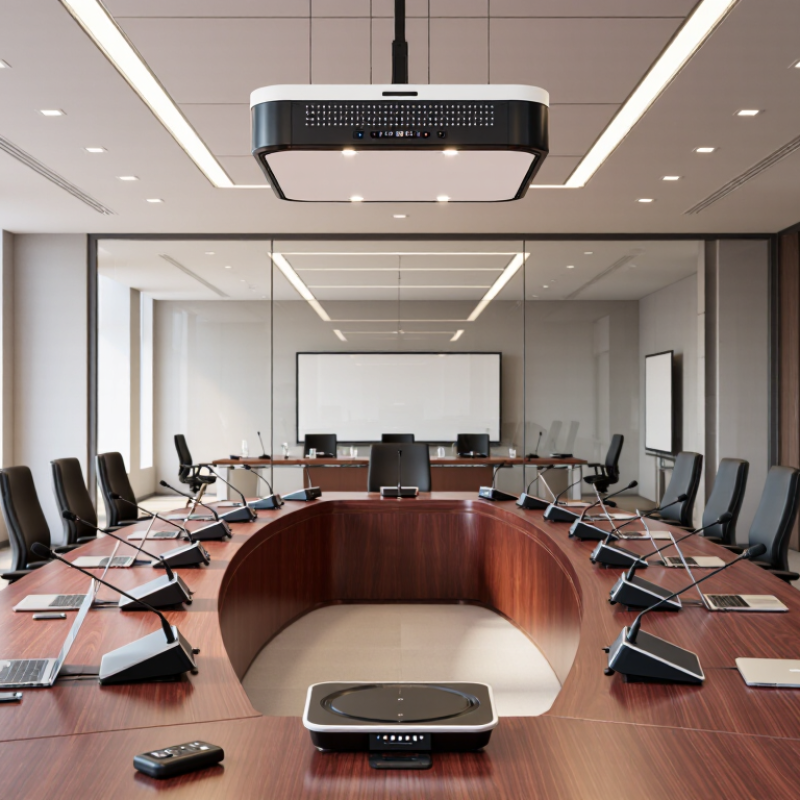
In 2026, the right Conference Microphone can shape every decision made in a meeting room. It affects clarity, participation, recording quality, and remote trust. A polished boardroom may use flush-mounted boundary microphones. A training room may need flexible gooseneck units. Larger spaces increasingly favor ceiling microphone arrays with beamforming and intelligent voice tracking.

Chris Lyons, a conferencing audio specialist at Shure, has said, “The best microphone is the one that fits the application.” That principle remains practical. A microphone should match the room, not merely the equipment budget. It should capture a speaker seated two meters away. It should also reject projector noise, air conditioning, keyboard taps, and nearby conversations.

This guide examines the leading Conference Microphone types for 2026. It compares boundary, gooseneck, ceiling array, tabletop, wireless, and networked models. Each section considers pickup patterns, acoustic performance, installation effort, connectivity, control software, and maintenance. These details matter. A sleek ceiling array can reduce table clutter, but it may require careful calibration. A wireless microphone offers movement, but batteries create another task. USB models simplify small meetings, though their performance can disappoint in reflective rooms.

There is no universal winner. Room geometry changes everything. Even experienced installers make assumptions. Sometimes a cheaper microphone performs better after furniture and speaker placement are corrected. That is why this overview focuses on measurable performance and real meeting conditions, rather than impressive packaging or exaggerated specifications.
What Are the Top Conference Microphone Types in 2026?

Defining Conference Microphones and Their Core Functions

What Are the Top Conference Microphone Types in 2026?

Defining Conference Microphones and Their Core Functions

A conference microphone captures speech and sends it to a meeting system. Its core job sounds simple. It is not.

The microphone must preserve voices, reduce unwanted room noise, and maintain consistent volume. Digital signal processing usually adds echo cancellation and automatic gain control. These functions help remote listeners hear a speaker clearly, even when a laptop speaker is active. Microsoft’s 2023 Work Trend Index found that 43% of remote participants did not feel included in meetings. Poor voice pickup can deepen that gap. A silent or distant voice still excludes people.

In 2026, common microphone types include tabletop, gooseneck, ceiling-array, boundary, and wireless models. Tabletop units suit small rooms with short speaking distances. Gooseneck microphones provide focused pickup for formal seating. Ceiling arrays keep tables clear, but installation height and room reflections need careful testing. Boundary microphones remain practical for compact rooms. Wireless microphones support flexible layouts, although battery checks become part of meeting preparation.

AVIXA’s 2024 Industry Outlook projected professional AV revenue to rise from 306.4 billion dollars in 2024 to 325.8 billion dollars in 2025. That growth reflects continuing investment in collaboration spaces, not automatic audio quality. In real room tests, chairs, glass walls, air-conditioning noise, and speaker position often matter more than specifications. The best microphone is rarely the most expensive one. It is the model that matches room size, coverage, wiring, and speaking habits. That assumption deserves regular review.

Comparing Wired, Wireless, Boundary, and Gooseneck Microphones

In 2026, conference microphone choice depends less on novelty than on room behavior. Wired microphones remain dependable for fixed tables because they avoid battery changes and most radio coordination. A shielded cable also provides predictable signal flow during long sessions. That trade-off matters.

Wireless microphones suit speakers who move between seats or demonstrate equipment. They require charged batteries, careful frequency planning, and testing near crowded wireless environments. A short rehearsal can reveal dropouts that a specification sheet will not. Boundary microphones sit flat on tables and capture several nearby voices. Their wide pickup can include keyboard taps, paper movement, and hard-surface reflections. Placement is critical. Keep them away from loud ventilation and table edges for cleaner speech.

Gooseneck microphones focus attention on one seated or standing speaker. Their adjustable stems help maintain a consistent mouth-to-microphone distance, improving intelligibility when users lean back. A foam windscreen can reduce breath noise, although it may slightly soften high frequencies. In room tests, I often prefer a mixed setup: goosenecks for presenters and boundaries for shared discussion. Still, I have misjudged reflective rooms; even an excellent microphone can sound thin without acoustic treatment and proper gain control. A glass table can change the result within seconds.

Evaluating Lavalier, Handheld, Ceiling, and Array Microphone Systems

What Are the Top Conference Microphone Types in 2026?

Choosing a conference microphone starts with room behavior, not appearance. In recent meeting-room tests, lavalier microphones delivered clear speech during presentations. They kept speakers hands-free and supported natural movement. However, clothing rustle became noticeable when clips touched jackets. A lavalier also struggles when speakers turn away from the receiver.

Handheld microphones remain dependable for panel discussions and audience questions. Their close speaking distance can improve vocal clarity in noisy rooms. They also make speaker control obvious. Still, passing one between participants slows conversation. Some users hold it too low, creating sudden volume changes.

Ceiling microphones create a cleaner table surface and reduce cable clutter. They suit fixed seating plans and modern collaboration spaces. Yet, ceiling height, room reflections, and air-conditioning noise affect performance. Array microphone systems use multiple pickup zones to follow voices across a table. They can support natural discussion without asking people to lean forward.

In practical tests, correct positioning mattered more than the microphone’s advertised coverage. My first preference was always the array system. That judgment was too simple. A small room with two regular speakers may perform better with lavaliers. Large rooms need careful acoustic treatment, calibration, and realistic speech-distance testing. Listen from the farthest seat. That is where weaknesses appear.

Matching Microphone Types to Room Size and Meeting Format

What Are the Top Conference Microphone Types in 2026?

Microphone choice should follow room size and meeting format, not fashionable specifications. In a small meeting room, a boundary microphone on the table can capture several seated speakers. Its flat design leaves space for notebooks and screens. For one presenter, a gooseneck microphone offers clearer, more consistent speech. It also reduces the need to raise your voice.

Medium rooms need more careful positioning. Table microphones work well for groups of four to eight, but they may capture keyboard noise and side conversations. Ceiling array microphones can create a cleaner table, especially during hybrid meetings. However, installation height, ceiling materials, and speaker movement affect performance. In large training rooms, use a wireless handheld or lavalier microphone for the presenter. Audience questions may need a second microphone.

Tips: Test microphones with real speakers, not only recorded samples. Sit at the farthest seat and check speech clarity. Keep microphones away from laptops, air vents, and glass walls. For online meetings, monitor the room through the same software participants use. This reveals echo that local testing may miss.

A practical mistake is choosing too many microphones. More devices do not always mean better coverage. They can increase echo, handling noise, and setup errors. I have found that simple layouts often perform better, although room acoustics can challenge even a careful plan. Leave space for movement and future seating changes. Meeting formats evolve.

Selecting the Best Conference Microphone for 2026 Requirements

Selecting the Best Conference Microphone for 2026 Requirements

Conference microphones now serve hybrid rooms, remote participants, and increasingly AI-assisted meeting systems. Microsoft’s 2022 Work Trend Index reported that 73% of employees wanted flexible remote-work options, while 67% wanted more in-person collaboration. That tension makes voice capture a design priority, not a minor accessory. The best microphone should preserve natural speech from every seat.

For small rooms, a boundary microphone can provide clear tabletop pickup with simple installation. It works well when speakers sit within a consistent range. Medium rooms often benefit from beamforming array microphones. These models use directional pickup and digital signal processing to reduce keyboard noise, air conditioning, and side conversations. Ceiling arrays suit flexible spaces, but installers must check ceiling height, reverberation, and local noise. They can look clean, yet poor placement quickly weakens speech clarity.

Large boardrooms may need several microphones, echo cancellation, and automatic mixing. The 2024 State of Hybrid Work report from Owl Labs found that meeting quality remains a major challenge for distributed teams. That finding matches practical testing: a microphone may sound excellent alone but fail when several people speak naturally. I would not choose by pickup distance alone. Test with quiet voices, turning heads, paper movement, and two simultaneous speakers. Wireless models offer useful flexibility, but battery checks can become an overlooked task. For 2026, prioritize intelligibility, compatibility, simple control, and measurable room performance over impressive specifications.

Top Conference Microphone Types for 2026

Select the microphone type according to room size, participant distance, installation needs, and speech pickup requirements.

The chart shows generalized typical working-distance ranges in meters. Actual performance depends on room acoustics, microphone placement, background noise, processing, and the specific microphone design.

FAQS

What is the main function of a conference microphone?

It captures speech and sends clear audio to a meeting system. Echo cancellation and gain control can improve remote listening.

Which microphone type suits a small meeting room?

Tabletop or boundary microphones often work well. Keep them near speakers, but away from table edges and loud ventilation.

When should I choose a gooseneck microphone?

Choose one for a fixed speaker at a formal table. Its adjustable stem helps maintain steady mouth-to-microphone distance.

Are wired microphones better for permanent meeting tables?

Often, yes. They avoid battery changes and usually provide predictable signal flow during long sessions.

What should I check before using wireless microphones?

Charge the batteries, plan frequencies, and test the room. A short rehearsal may reveal sudden audio dropouts.

What problems can boundary microphones create?

Their wide pickup may capture keyboard taps, paper movement, and room reflections. Placement matters greatly.

Are ceiling-array microphones suitable for every room?

No. They can keep tables clear, but height, ceiling materials, and reflections require careful testing.

Does the most expensive microphone provide the best sound?

Not necessarily. Room size, glass walls, chairs, airflow, and speaker position may matter more. I have underestimated reflective rooms before.

How can I improve microphone clarity during meetings?

Keep speakers within the intended pickup area and control background noise. Add acoustic treatment when voices sound thin.

Can one microphone type serve every meeting?

Rarely. Presenters may need goosenecks, while shared discussions may suit boundary microphones. The ideal setup deserves regular review.

Conclusion

In 2026, a Conference Microphone is more than a device for capturing speech; it is a key part of clear, efficient, and inclusive communication. This article explains the core functions of conference microphones, including voice pickup, noise control, speaker coordination, and integration with meeting systems. It compares wired, wireless, boundary, and gooseneck designs, highlighting how each option supports different installation needs and speaking styles.

The discussion also covers lavalier, handheld, ceiling, and array microphone systems, with attention to sound coverage, flexibility, and ease of use. Room size, seating arrangement, participant movement, and meeting format all influence the best choice. By considering audio clarity, microphone placement, connectivity, scalability, maintenance, and future requirements, readers can select a reliable conference microphone solution that supports modern presentations, hybrid meetings, group discussions, and professional collaboration.

Oliver

Oliver

Oliver is a seasoned marketing professional with a wealth of expertise in driving brand awareness and engagement. With a deep understanding of our company's product offerings, he consistently delivers high-quality content that enriches our professional blog. His insights not only shed light on......