Ruoca Audio
Choosing a reliable Boom Speaker supplier requires more than comparing prices on a product page. Global buyers need consistent sound quality, durable construction, clear specifications, and dependable communication. This guide introduces ten suppliers that deserve attention across different purchasing needs, from retail distribution to hospitality, events, and outdoor entertainment.
Each supplier should be evaluated through practical evidence. Buyers can review factory experience, product testing records, export history, and customer feedback. Important details include Bluetooth stability, battery performance, waterproof ratings, amplifier output, warranty coverage, and replacement-part availability. A speaker may sound impressive in a showroom, yet perform poorly after long outdoor use. Real testing matters.
Logistics also deserve close attention. MOQ requirements, sample policies, private-label options, packaging strength, lead times, and destination-port arrangements can affect the final cost. Reliable suppliers usually explain these terms before payment discussions become serious. They also provide readable manuals and responsive after-sales support.
This list is not a perfect ranking. Supplier performance can change with production capacity, market demand, or management decisions. That limitation deserves honest consideration. Buyers should request current quotations, inspect samples, and confirm compliance requirements for their target markets. Independent verification remains wise, especially for large orders.
The following Top 10 Boom Speaker Suppliers for Global Buyers highlights companies with useful capabilities, recognizable market experience, and practical sourcing value. It is designed to support careful comparison, not replace due diligence. Voices, bass, buttons, and boxes matter. So do trust and consistency.
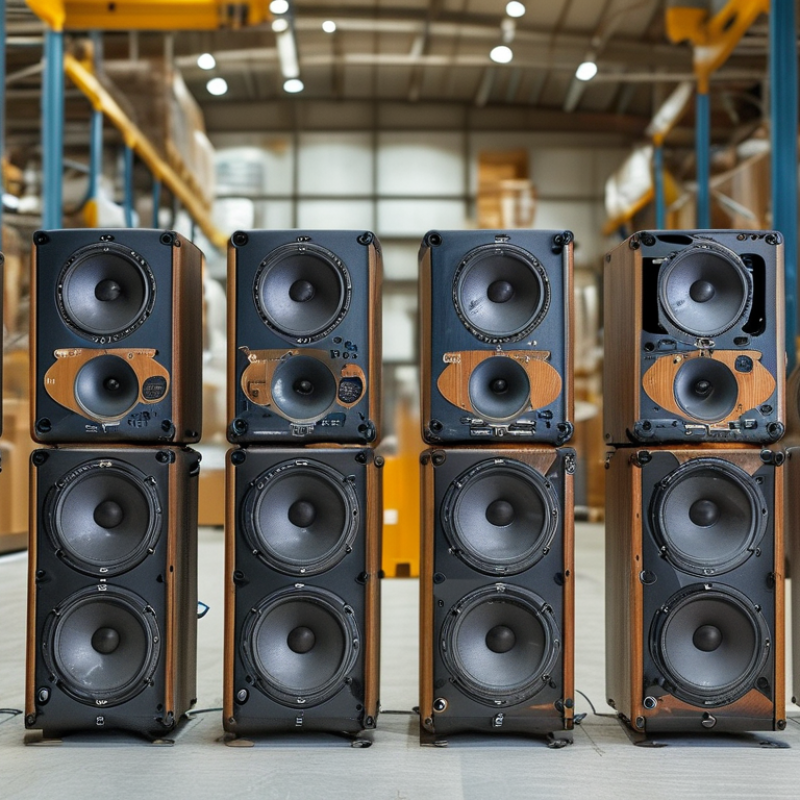
Boom speakers combine portability, loud output, and simple wireless control. In the global market, buyers often use the term for portable PA speakers, battery-powered loudspeakers, or rugged Bluetooth units. These products serve classrooms, outdoor events, retail spaces, sports activities, and emergency communication.
A reliable supplier should explain battery capacity, charging time, sound coverage, microphone inputs, and weather resistance clearly. Buyers should also request test samples before placing large orders.
During product evaluations, I check voice clarity at twenty meters, button response, charging stability, and performance after several hours. Small details matter.
A loose handle can become a serious shipping problem. A speaker may sound powerful indoors but lose clarity outdoors.
The top ten supplier choices should be compared through manufacturing experience, quality-control records, production capacity, and export documentation. Suppliers with consistent inspection procedures usually create fewer surprises between samples and bulk orders. Buyers should examine packaging strength, replacement-part access, warranty terms, and communication speed.
Choosing among the top 10 boom speaker suppliers requires more than comparing online prices. International buyers should verify factory capability, product consistency, and export experience. Request recent test reports, production photos, and a sample from the same batch. A polished sample can hide weak quality control.
Check acoustic performance in realistic conditions. Test volume, bass response, microphone clarity, charging time, and Bluetooth stability. For outdoor use, inspect the stated water-resistance rating and the sealing around ports. Ask whether the battery has traceable safety documentation. Small details matter.
Supplier communication is another practical test. Can the team explain tolerances, packaging protection, and replacement procedures clearly? Confirm minimum order quantities, lead times, payment terms, and shipping responsibilities in writing. During one supplier review, I focused too heavily on sound quality and overlooked carton damage during transit. That mistake increased costs and delayed delivery. A better evaluation includes a drop test, a pre-shipment inspection, and a realistic warranty discussion.
Do not rely on certificates alone. Verify their issuing bodies and product-model coverage. Ask for references from comparable markets, but check them independently. A reliable supplier should accept reasonable audits and explain quality failures without avoiding difficult questions. Test communication under pressure. That reveals more than a sales presentation.
Supplier 1 focuses on compact boom speakers for travel retailers and outdoor shops. Its catalog usually includes Bluetooth pairing, replaceable batteries, and splash-resistant housings.
Supplier 2 serves large-volume buyers with private-label production and flexible carton designs. Factory audits remain important.
Supplier 3 specializes in high-output models for events, gyms, and community venues. Buyers should request measured sound data, not only marketing claims.
Supplier 4 develops lightweight units with shoulder straps and simple controls. These products suit mobile users and older customers.
Supplier 5 offers rugged speakers with reinforced corners and sealed charging ports. Its testing records should cover drop resistance, battery cycles, and water exposure.
Supplier 6 supports custom colors, logos, and packaging for established distributors. Custom work can increase lead times.
Supplier 7 supplies budget models for promotional campaigns and entry-level retail channels. Lower pricing may involve shorter battery life or thinner materials.
Supplier 8 concentrates on premium sound tuning, stronger bass response, and multi-speaker connectivity. Independent listening tests still matter because room acoustics change results.
Supplier 9 provides regional warehousing and after-sales support for international buyers. Check spare-part availability before signing a contract.
Supplier 10 combines smart controls, updated charging standards, and energy-conscious designs. Compatibility should be verified across several phone models.
Reliable suppliers share certifications, inspection reports, warranty terms, and clear production schedules. I would also compare sample units against the final batch. Small differences sometimes become expensive problems.
When comparing the top ten boom speaker suppliers, product quality should lead the review. Test bass response, maximum volume, battery endurance, and wireless stability with real samples. A speaker may sound impressive indoors but weaken outdoors. Check enclosure seams, button response, charging ports, and grille strength. Ask for quality-control records, not only factory photographs.
Pricing needs careful interpretation. Compare the same specifications, including battery size, audio components, accessories, packaging, minimum order quantity, and shipping terms. A cheaper quotation may hide weaker cells or limited warranty support. Certifications also require verification. Request current CE, FCC, RoHS, and UN38.3 documents when applicable. Confirm that each report matches the exact model. Some suppliers present certificates for similar products, which creates avoidable risk. Production capacity matters too. Review monthly output, staffing, testing equipment, lead times, and peak-season planning. Capacity figures are often estimates, so treat them carefully.
Tips: Order samples from several suppliers and test them under identical conditions. Record volume, charging time, water resistance, and defect rates. Ask for a small pilot order before scaling. An audit can reveal weak processes, but it cannot predict every shipment problem. Leave room for human error, because even a polished supplier may miss a packaging detail. Use written specifications, inspection checkpoints, and clear replacement terms. This feels slower, but it protects margins and customer trust.
Top 10 Boom Speaker Suppliers for Global Buyers: How to Select and Purchase from the Right Supplier
Choosing a boom speaker supplier requires more than comparing prices. I recommend requesting a working sample before discussing large orders. Test it outdoors, in a small room, and near traffic noise. Check sound pressure, bass clarity, battery runtime, charging time, and microphone performance. Ask for measured data, not only promotional claims. A reliable supplier should explain production capacity, minimum order quantity, lead time, warranty terms, and quality inspection procedures. Request compliance documents for your target markets, with clear product descriptions and test records.
Tips: Compare at least three suppliers. Use the same test playlist and volume level. Inspect buttons, handles, charging ports, and grille strength. Ask how defective units are replaced. Confirm packaging dimensions before shipping; oversized cartons can raise freight costs unexpectedly. Also check whether the supplier can provide spare batteries or service parts legally in your market. Small details matter.
Communication quality often reveals operational quality. Suppliers should answer technical questions directly and provide consistent specifications. Video factory tours, sample reports, and third-party inspections can improve purchasing confidence. However, do not treat certificates as absolute proof. Documents may be outdated, and samples may receive extra attention. I once trusted a polished sample too quickly; the first production batch showed weaker buttons. A written inspection standard would have prevented that mistake. Leave room for doubt, then verify each important claim.
Request a working sample first. Test it outdoors, indoors, and beside traffic noise. Check volume, bass, battery runtime, charging time, and microphone clarity.
Use the same playlist and volume level for every sample. Ask for measured sound data. Personal listening alone can mislead.
Compact designs, replaceable batteries, splash-resistant housings, shoulder straps, and simple controls are useful. Check the charging port carefully.
Request drop tests, battery-cycle results, and water-exposure records. Reinforced corners help, but records matter more than appearance.
Lower prices may mean shorter battery life or thinner materials. Inspect the grille, buttons, handles, and casing. Cheap is not always efficient.
Confirm colors, packaging, minimum order quantities, production capacity, and lead times. Custom work often takes longer than expected.
Very important. Check spare batteries, charging parts, repair options, and replacement procedures before signing. Small parts can stop sales.
No. Documents may be outdated, and samples may receive extra attention. Request current records and use written inspection standards.
Confirm carton dimensions and total package weight before shipment. Oversized cartons can increase freight costs unexpectedly.
Do not trust a polished sample too quickly. I once overlooked weak buttons in the first production batch. Verify the final batch.
This guide explores the global market for Boom Speaker products, including their main features, common applications, and the factors driving international demand. It explains how buyers can evaluate suppliers by examining product quality, sound performance, durability, manufacturing experience, communication, delivery capability, and after-sales service. The article also presents profiles of ten leading supplier types without focusing on specific brand names, helping readers understand the differences among manufacturers, exporters, and specialized production partners.
A detailed comparison covers pricing, customization options, certifications, production capacity, minimum order quantities, and quality-control procedures. The guide concludes with a practical purchasing framework for selecting the right supplier, from requesting samples and verifying documentation to confirming payment terms, shipping arrangements, warranty policies, and long-term support. By following these steps, global buyers can reduce purchasing risks, compare suppliers more effectively, and build reliable international sourcing relationships for Boom Speaker products.
