Ruoca Audio Ruoca Audio

Top 5 Professional Microphones for Quality Sound Recording?

Time:2026-05-03 Author:Henry
0%

In the realm of sound recording, choosing the right equipment is crucial. A Professional Microphone can significantly impact audio quality. Whether you're a podcaster, vocalist, or filmmaker, your microphone selection matters.

There are countless options available, but not all are created equal. A Professional Microphone must capture sound accurately and enhance your recordings. Each type serves different purposes, making it essential to understand your needs.

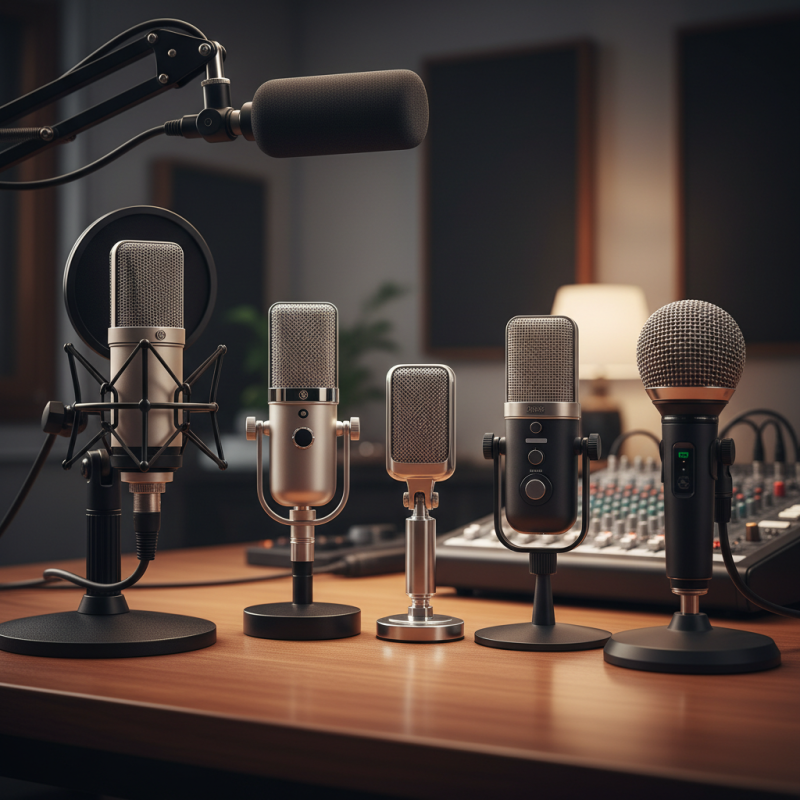
Investing in a high-quality microphone can elevate a project from mediocre to exceptional. However, the market can be overwhelming. Beginners may find it challenging to identify which models stand out. This article highlights the top five Professional Microphones, offering insights into their features. Discover what makes each microphone unique and why they deserve your attention.
Top 5 Professional Microphones for Quality Sound Recording?

Understanding Different Types of Professional Microphones

When selecting a professional microphone, it's vital to understand the various types available. Condenser microphones are often preferred for studio recordings. They capture a wide frequency range and are sensitive to nuances. This sensitivity is great for vocals and acoustic instruments. However, they can pick up unwanted background noise, which may be a challenge in non-controlled environments.

Dynamic microphones, on the other hand, are sturdy and reliable. They excel in live settings where durability is essential. Their design helps minimize background noise, making them ideal for on-stage use. Yet, they may not capture the full detail of quieter sounds as effectively as condensers do. Choosing between these two types depends largely on your recording situation and goals.

Another option is ribbon microphones, known for their warm sound. They suit orchestras and vintage-style recordings well. However, they can be fragile and require careful handling. Each microphone type offers unique benefits and drawbacks. Understanding these differences can significantly impact your sound quality. Consider your recording environment and needs before making a choice. This thought process ensures you select the microphone that best meets your requirements.

Key Features to Consider When Choosing a Microphone

When selecting a microphone, several key features can greatly influence the recording quality. The first aspect to consider is the type of microphone. There are dynamic and condenser microphones. Dynamic mics excel in high-volume settings. They handle loud sounds better, making them suitable for live performances. In contrast, condenser microphones capture a broader frequency range. This makes them ideal for studio use.


Another critical element is the sensitivity of the microphone. A microphone's sensitivity affects how well it picks up quiet sounds. More sensitive mics capture subtle details. According to a recent industry report, 75% of audio engineers prefer high-sensitivity microphones for voice recordings. Additionally, frequency response is vital. The frequency response indicates how accurately a microphone captures different sound frequencies. A wide frequency range allows for better reproduction of musical instruments and vocals.


Connectivity options are also important. Most mics have XLR or USB outputs. XLR connections are standard in studios for professional quality. Meanwhile, USB microphones are convenient for home recording. However, USB mics can lack the depth of sound that XLR mics offer. Balancing convenience with audio quality is essential. It’s critical to assess your recording environment before making a choice.

Top 5 Microphones for Studio Recording and Vocals

When selecting microphones for studio recording and vocals, sound quality is paramount. Recent industry reports indicate that a good microphone can significantly impact audio clarity and richness. Vocals require microphones that capture nuances and avoid distortion, especially when mixing tracks. The top contenders typically have a frequency response range that emphasizes midrange tones, crucial for vocal performance.

In studio settings, various factors can affect recording quality. Acoustic treatment of the room and placement of the microphone are as essential as the microphone itself. Many professionals suggest testing different positions to find the sweet spot. Ideally, the microphone should be placed around six inches from the singer’s mouth, allowing for natural sound capture.

While many microphones excel in technical specifications, personal preference plays a significant role. Some may prefer the warmth of a tube microphone, while others might lean towards the crispness of a condenser mic. Experimenting with different types encourages sound exploration. Ultimately, the right choice combines science and artistry, highlighting the importance of hands-on testing in real-world environments.

Top 5 Professional Microphones for Quality Sound Recording

Microphone Type Polar Pattern Frequency Response (Hz) Max SPL (dB) Price Range
Condenser Cardioid 20-20,000 130 $100 - $200
Dynamic Cardioid 40-15,000 150 $50 - $150
Ribbon Bidirectional 20-18,000 135 $200 - $400
USB Cardioid 30-20,000 120 $70 - $150
Lavalier Omnidirectional 20-20,000 110 $30 - $100

Best Options for Field Recording and Podcasting

When it comes to field recording and podcasting, choosing the right microphone is crucial. Quality sound can elevate your content. A professional microphone captures clarity and nuance. Use a dynamic microphone for loud environments. They excel at isolating your voice from background noise.

For podcasting, condenser microphones are often preferred. They provide a broad frequency range. This helps in capturing the subtleties of speech. Remember to use pop filters to reduce plosive sounds. It’s a simple step that greatly enhances audio quality.

Tips: Always test your microphone before a recording session. This allows you to adjust settings as needed. Experimenting with microphone placement can also make a difference. Every space has unique acoustics, so listen carefully. Don't be afraid to switch setups if something isn't working. Sound is subjective, and finding your ideal mix will take time and practice.

Budget-friendly Professional Microphones for Beginners

For beginners venturing into sound recording, budget-friendly professional microphones can make all the difference. Start with a dynamic microphone, known for its durability and handling high sound pressure levels. This type offers excellent clarity, especially in noisy environments, making it a solid choice for beginners.

A recent industry report indicates that nearly 65% of aspiring audio professionals struggle to invest in equipment. Entry-level options do not sacrifice quality. For instance, good microphones can achieve a frequency response from 20Hz to 20kHz. This range ensures that most sounds are captured authentically, essential for music and podcasting.

When choosing a microphone, pay attention to the polar pattern. Cardioid microphones are particularly versatile for solo recording. They isolate sound directly in front while rejecting noise from the sides. This feature is beneficial for beginners learning to control their sound environment. Remember, investing in soundproofing techniques may be just as essential as the microphone itself. This attention to detail can prevent external noise from compromising your recordings.

FAQS

: What should I prioritize when selecting a microphone for studio recording?

: Sound quality is paramount. A good microphone enhances audio clarity and richness, especially for vocals.

How far should the microphone be from a singer’s mouth?

Ideally, place the microphone about six inches from the mouth for natural sound capture.

Are there specific microphone types better suited for field recording?

Yes, dynamic microphones work well in loud environments, isolating your voice from background noise.

Why are condenser microphones often used for podcasting?

They offer a broad frequency range, which captures the subtleties of speech effectively.

What should I do to improve audio quality when recording?

Use pop filters to reduce plosive sounds. Testing your microphone before recording is also essential.

What microphone type is best for beginners on a budget?

Dynamic microphones are durable and handle high sound pressure well. They offer good clarity in noisy settings.

Why is polar pattern important when choosing a microphone?

Cardioid patterns isolate sound in front and reject noise from the sides, making them great for solo recording.

How can I improve my recording environment?

Soundproofing techniques are critical. They help prevent external noise from influencing your recordings.

Is it okay to experiment with different microphone setups?

Absolutely. Each space has unique acoustics, so experimenting helps find the best sound for your needs.

How can I tell if my microphone setup isn't working?

If the sound quality feels off, don't hesitate to switch setups or test placements. Sound is subjective.

Conclusion

This article explores the essential aspects of selecting a Professional Microphone for various recording needs. It begins by outlining the different types of professional microphones, such as dynamic, condenser, and ribbon microphones, each serving unique purposes in sound capture. Key features to consider when choosing a microphone include frequency response, sensitivity, and connectivity options, which are crucial for achieving the desired sound quality.

The article then highlights the top five microphones ideal for studio recording and vocal applications, alongside the best options tailored for field recording and podcasting. For those new to audio recording or on a budget, budget-friendly professional microphones are also discussed, ensuring a wide range of choices that cater to different experience levels and recording environments. Overall, this guide provides valuable insights into selecting the right Professional Microphone to enhance sound recording quality.

Henry

Henry

Henry is a dedicated marketing professional with a profound expertise in the company's offerings. With years of experience in the industry, he possesses an impressive understanding of the market dynamics and consumer behaviors that drive success. Henry is committed to sharing his insights through......