
Ruoca Audio
Choosing the best Radio Mics in 2026 starts with the job, not the longest feature list. A presenter moving across a bright conference stage needs different things from a singer working close to drums. Range, battery life, handling noise, and quick setup can matter more than impressive figures on a box. Small details count. A receiver that fits neatly in a crowded rack can save time before a show.
Market reports offer useful context, but they do not select a system for your venue. Grand View Research’s Wireless Microphone Market report estimated the global market at about US$2.1 billion in 2023 and projected continued growth through 2030. That is a market estimate, not proof that any particular model performs well. For practical buying decisions, compare manufacturer specifications with independent audio tests and, where possible, a hands-on trial. Check whether the system’s frequency options suit the locations where you plan to use it; availability varies by country and can change. A reliable setup depends on the room, nearby radio activity, and how many channels must work together. A spec sheet can still mislead. I would not choose on advertised range alone: walls, antennas, and placement can change the result. The sections ahead explain how to weigh sound quality, transmission stability, ease of use, and total cost, so you can shortlist Radio Mics with clear priorities—and leave room to revise your choice after testing.
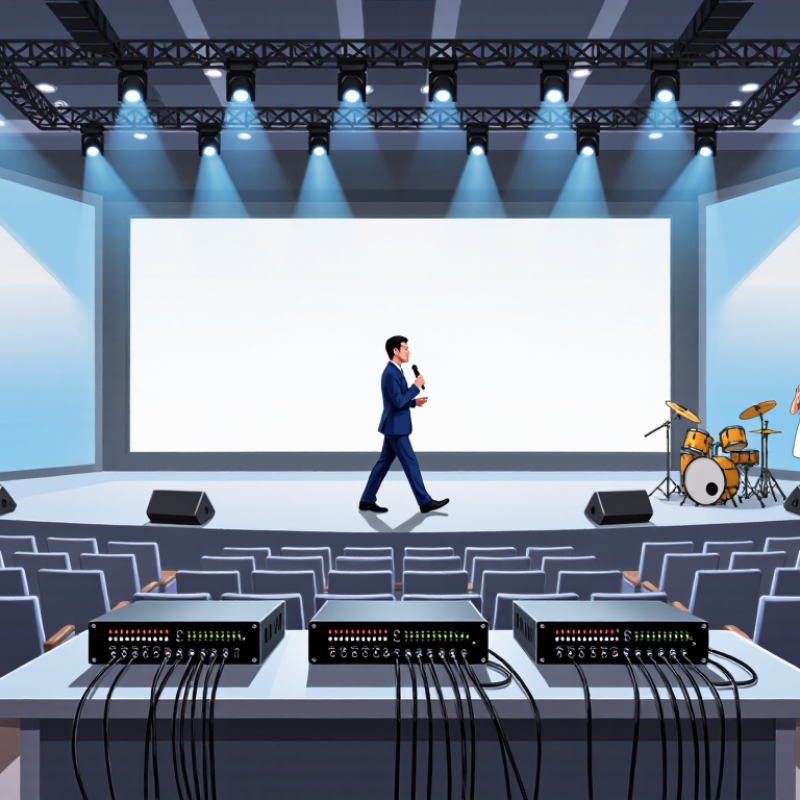
A radio microphone system has three main parts: the microphone, a transmitter, and a receiver. The microphone capsule converts sound into an electrical signal. A bodypack transmitter clips to a belt, while a handheld unit contains its transmitter inside the handle. The receiver captures the radio signal and sends audio to a mixer or camera. That connection matters.
Capsule choice affects the sound before wireless transmission begins. A lavalier microphone sits near the speaker’s chest, but clothing can brush against it and create rustling. A handheld microphone is easier to position consistently. For spoken word, test how clearly each option captures voices in the actual room, not only through headphones. Small details count.
The receiver’s antenna design, frequency settings, and output connections also shape a reliable setup. Scan for a clear channel at the venue, then test while performers move around. Keep fresh batteries nearby and check the signal at the farthest point from the receiver. Even a careful setup can miss a source of interference; a quick soundcheck may not reveal problems that appear later. Write down working settings, but verify them again at each location.
How to Choose the Best Radio Mics in 2026
Defining Your Use Case, Range, and Operating Environment
Choosing a radio mic starts with the job, not the longest range on the box. A presenter walking across a small stage needs different coverage from an interviewer moving between rooms. Consider how far the speaker travels, whether they turn away from the receiver, and how many microphones operate nearby. In practical setups, walls, metal structures, and crowded wireless environments can weaken a signal. Test in the actual space when possible. A clear rehearsal-room result may not hold during a busy event.
Tips: Measure the working area, then add a little room for movement. Check for dead spots with the speaker wearing the mic. Keep the receiver away from obvious obstructions. Small details matter.
Match the system to its operating environment. A fixed lecture room may need steady, simple coverage, while outdoor work calls for secure mic placement and careful wind protection. Battery access and quick setup matter too, especially for short interviews or changing schedules. Don’t assume a higher range rating solves every problem; real-world performance depends on the room and setup. I’d also leave time to learn the controls. That part is easy to underestimate.
How to Choose the Best Radio Mics in 2026
Comparing Frequency Bands, Channels, and Local Regulations
A radio mic’s frequency band affects where it can operate and how easily it avoids interference. Rules vary by country, and some frequencies are reserved for other services. Check your national regulator’s current frequency guidance before buying or travelling. A band that works at home may not be usable at a festival abroad. Small details matter.
Channel count is not the same as the number of mics you can run reliably. Nearby transmitters, television broadcasts, and venue equipment can all create conflicts. Scan the location when possible, then coordinate frequencies across every mic in use. Leave some clear channels as backups. A scan is only a snapshot, though; conditions can change once the crowd arrives. I still find this easy to underestimate.
Tips: Confirm local frequency rules, scan at the venue, and test every mic from the performance area. Keep spare batteries and a backup channel ready. If you are unsure, ask the venue’s audio technician.
Approximate spectrum span of selected wireless microphone bands in the United States
A wider tuning range does not automatically mean more usable channels. Actual channel capacity depends on equipment, local spectrum activity, coordination, and current regulations. Check the rules for your location before choosing or operating a system.
Choosing radio mics in 2026 starts with the room, not the spec sheet. A quiet studio reveals hiss; a crowded hall exposes dropouts and handling noise. Listen to speech at normal distance, then move the transmitter behind a jacket or chair. Clear consonants should remain natural, without brittle highs or a hollow, gated sound. Check how the system handles sudden laughter and soft phrases. A clean signal matters more than impressive numbers.
Reliability deserves repeated testing. Run a full rehearsal with doors opening, phones nearby, and transmitters worn as they will be used. Watch battery warnings, connection recovery, and whether controls can be adjusted without looking. Test it twice. Frequency scanning and stable channel coordination help, but cannot fix poor placement or blocked antennas. Keep spare batteries ready. Inspect the clip, cable strain relief, and receiver display; small failures can interrupt a good performance. I tend to overvalue extra features. In practice, intuitive mute controls and predictable range may matter more than an app. Record a sample in the actual venue, compare it on headphones, and note where voices lose body. One successful test is not proof of dependable performance.
| System Type | Best Suited For | Sound Quality | Typical Practical Range | Latency | RF Performance and Reliability | Essential Features to Check | Main Trade-Off |
|---|---|---|---|---|---|---|---|
| Analog UHF, single-channel | Interviews, presentations, small events, and basic live sound. | Natural, continuous audio; quality depends on the transmitter, receiver, microphone capsule, and compander design. | About 30–100 m in clear line of sight; walls, people, antenna placement, and local interference can reduce this substantially. | Usually negligible for live performance. | UHF operation can work well in busy venues when a clear, legal frequency is selected. Non-diversity receivers are more vulnerable to signal dropouts. | Frequency scanning, a clear channel display, replaceable batteries, and a dependable receiver antenna. | May be more prone to noise or interference than well-designed digital systems; limited capacity for operating many channels together. |
| Analog UHF, diversity receiver | Houses of worship, schools, theatres, and mobile production where dependable coverage matters. | Full-bandwidth analog sound is possible; check the system's published frequency response and signal-to-noise performance. | About 30–100 m in clear line of sight under suitable conditions; performance depends heavily on antennas and the RF environment. | Usually negligible for live performance. | Two receiver antennas help reduce dropouts caused by reflections and moving performers. Coordinated frequency planning remains important. | True antenna diversity, frequency scanning, detachable antennas, audio-output options, and clear battery and RF indicators. | Can require more setup and frequency coordination than a basic one-channel system; analog noise performance varies by design. |
| Digital UHF | Live stages, corporate events, and productions needing clean audio and several coordinated channels. | Typically low-noise audio with consistent sound up to the system's digital transmission limit; codec and microphone quality still matter. | Often around 30–100 m in clear line of sight, but the usable range depends on the system, antenna setup, venue, and interference. | Commonly a few milliseconds; check the manufacturer's specified figure if performer monitoring or lip-sync is critical. | Can provide strong interference management and efficient channel coordination. Digital links may mute or show artifacts when the signal falls below the receiver threshold. | Automatic scanning, frequency coordination, diversity reception, encryption where needed, and rechargeable or replaceable battery options. | Latency, compatibility, and channel capacity vary between systems; transmitters and receivers usually need to use the same system family. |
| Digital 2.4 GHz | Small venues, content creation, classrooms, and quick setups where simple operation is a priority. | Often clean digital audio; performance depends on the codec, microphone capsule, and signal processing. | Frequently around 20–60 m in clear line of sight; congested Wi-Fi environments and physical obstructions can shorten the range. | Usually a few milliseconds, but varies by design and operating mode. | Convenient worldwide band availability in many regions, but it shares spectrum with Wi-Fi, Bluetooth, and other devices. Automatic channel management is useful. | Automatic frequency selection, clear link-status indicators, USB or rechargeable battery support, and a reliable return policy or service option. | Less predictable in crowded 2.4 GHz environments; may be unsuitable when long range or many simultaneous channels are required. |
| Multi-channel professional digital system | Touring, broadcast, large events, and productions using multiple microphones simultaneously. | Consistent, low-noise sound when properly configured; available features may include selectable output levels and audio encryption. | Venue- and antenna-dependent; professional antenna distribution and correctly placed remote antennas can improve coverage. | Varies by system and mode; confirm the specified latency for time-sensitive applications. | Designed for coordinated multi-channel operation, monitoring, and scalable antenna setups. Requires careful planning around local RF use. | Networked monitoring, frequency coordination tools, antenna distribution compatibility, transmitter identification, and battery telemetry. | Higher system cost and setup complexity; performance depends on skilled frequency coordination and suitable infrastructure. |
| Compact plug-on or camera-ready wireless system | Run-and-gun video, field interviews, and mobile recording with a handheld microphone or camera input. | Can deliver clear speech when the input connector, gain staging, and microphone are properly matched. | Often around 20–100 m in clear line of sight, depending on the radio band, antenna design, and system configuration. | Varies by analog or digital design; check specifications when recording synchronized video. | Portable antennas and camera mounting make setup convenient, but body blocking and poor antenna orientation can weaken the link. | Secure connectors, camera-mount options, headphone monitoring, input-level control, and a receiver output compatible with the recording device. | Small form factor can mean shorter battery life, reduced antenna flexibility, or fewer controls than a rack-mounted system. |
Selection note: Practical range, battery life, latency, and channel capacity vary by model and operating conditions. Check local frequency regulations before purchase, scan the venue before use, and compare manufacturer specifications for the exact system being considered.
A good radio-mic system should fit your work, not just your budget. Include the receiver, microphones, batteries, cables, and any accessories in your cost estimate. Check that the system supports the number of microphones you need. Also consider your usual setting: a quiet interview room has different demands from a busy event space. The cheapest option may be enough, but only if it performs reliably where you use it.
Before buying, ask to test the system or confirm the return period. Try it in a space similar to your real venue. Walk to the farthest point you expect to use, then listen for dropouts, hiss, and sudden changes in volume. Test each microphone while speaking normally and turning your head. Check battery indicators and handling noise, too. A short indoor test can miss problems; crowded rooms can behave differently. I sometimes find this part tedious, but skipping it can cost more later.
Tips: Bring your own headphones and speak a few familiar lines. Test with doors open and closed. Note any weak spots, even if they seem minor. A quick written checklist helps you compare systems without relying on memory.
It has a microphone, transmitter, and receiver. The receiver sends captured audio to a mixer or camera.
A lavalier sits near the chest, but clothing may brush against it and create rustling. A handheld microphone is easier to position consistently.
Test both options in the actual room. Listen for clear speech, not just a pleasing sound through headphones.
Consider the speaker’s route, distance, and nearby microphones. Walls and metal structures may weaken the signal. Box ratings can mislead.
Have the speaker wear the microphone and walk to the farthest point. Check corners and areas behind walls or large objects.
Nearby wireless activity can cause interference. Scan at the location, then test while performers move around.
Review its antenna design, frequency settings, and output connections. Keep it clear of obvious obstructions and confirm its connection to your mixer or camera.
Keep fresh batteries nearby and record working settings. I still underestimate how much time the controls can take to learn. A quick soundcheck may miss later problems.
Choosing the best Radio Mics in 2026 starts with understanding how a wireless microphone system works, including its transmitter, receiver, and microphone. Consider where and how you will use it: a small room, a busy stage, or a larger outdoor space may call for different range, durability, and setup options. The number of speakers and the possibility of interference also affect how many channels you need.
Compare available frequency bands and check that your intended setup is permitted in your location. Then assess sound clarity, connection stability, battery life, and useful features such as easy frequency coordination. Set a realistic budget that includes any necessary accessories, and, if possible, test the system in an environment similar to where it will be used. A careful comparison helps you choose a dependable setup that fits your needs without paying for features you do not require.
