Ruoca Audio Ruoca Audio

How to Choose the Best Mic and Speaker System for Your Needs?

Time:2026-05-28 Author:Sophia
0%

Choosing the right mic and speaker system is crucial for effective communication. Recent industry reports suggest that quality audio equipment significantly impacts user engagement. For instance, approximately 70% of participants in a study indicated they prefer platforms with clear audio. This highlights the importance of investing in a proficient mic and speaker system.

With a variety of options available, selecting the perfect setup can be overwhelming. The right system should complement your specific needs, whether for professional presentations or casual gaming. Research shows that users often misunderstand the technical specifications. This can lead to underwhelming auditory experiences, where sound quality becomes a limitation.

It's essential to consider not only the features but also the environment where the equipment will be used. Various models may perform better in different settings. Users must balance price and functionality to avoid regrets later. By evaluating these aspects, you'll enhance your sound experience and ensure your voice is heard clearly. A well-chosen mic and speaker system can transform conversations, making them more effective and enjoyable.
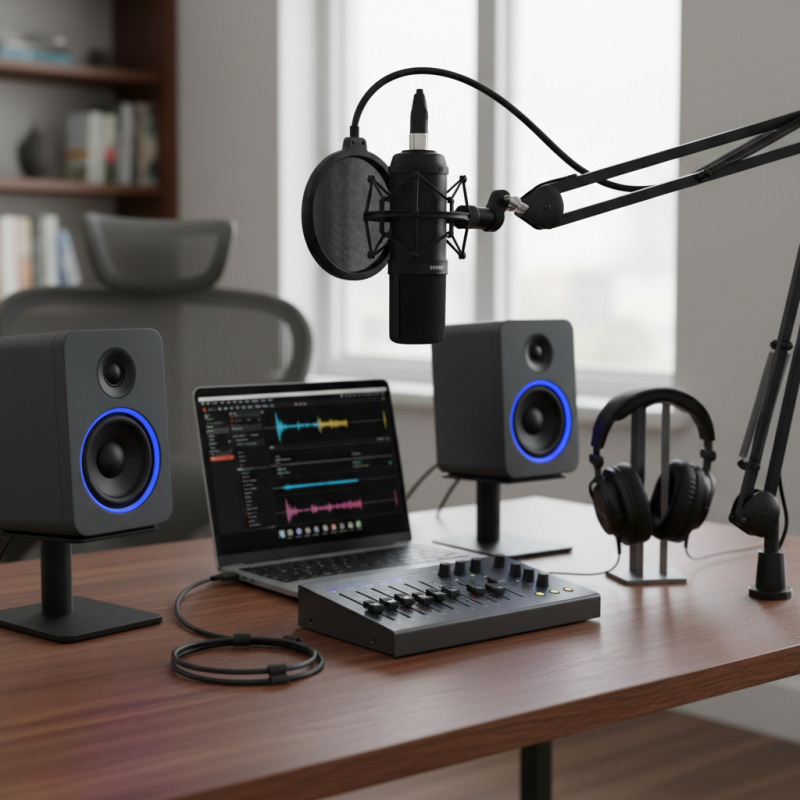
How to Choose the Best Mic and Speaker System for Your Needs?

Understanding Your Audio Needs and Environment

When choosing the right mic and speaker system, it's crucial to understand your specific audio needs. Consider the environment where you’ll use the equipment. A small room may require different mic sensitivity and speaker power than a larger space. Acoustic treatments are also vital. Rooms with hard surfaces create echoes that can muddle sound.

Think about the purpose of the audio system. Are you recording vocals, instruments, or both? The choice of mic largely depends on this. Dynamic mics are great for live performances, while condenser mics excel in studio settings. Remember, the speaker system must complement the mic. Too much bass can overpower vocals, while too much treble can lead to listener fatigue.

Evaluate your budget, but don't compromise on quality. Often, investing in slightly better equipment pays off in terms of performance. Test different configurations. Your initial setup may not suit your needs perfectly. Tweak and adjust. It’s all about finding balance in sound and functionality. Embrace the process of trial and error. It will enhance your audio experience significantly.

Types of Microphones: Dynamic, Condenser, and More

When selecting a microphone for your needs, understanding microphone types is crucial. Dynamic microphones are known for their durability. They excel in live settings, handling high sound pressure levels. Their design prevents feedback, making them ideal for loud environments. You might choose these for vocals or instruments played at high volumes.

Condenser microphones, on the other hand, capture a wide frequency range. They are sensitive and ideal for studio recordings. However, this sensitivity means they can pick up unwanted background noise. If you work in a controlled environment, a condenser mic can elevate your sound quality.

There are also ribbon microphones. They provide a warm and natural sound. These are less common and may require careful handling. Consider your space and purpose when choosing. Each type has its strengths and weaknesses. Your final choice should reflect both your needs and preferences.

Microphone Types Comparison

Choosing the Right Speakers: Active vs. Passive Options

When selecting audio equipment, understanding the differences between active and passive speakers is crucial. Active speakers contain built-in amplifiers, which simplifies setup. You can connect them directly to your audio source, making them convenient for beginners. According to a recent market survey by Audio Insights, over 65% of home users prefer active speakers for their ease of use. However, they may lack the same sound customization potential that passive speakers offer.

Passive speakers require an external amplifier, providing more flexibility in configuring sound systems. This option is ideal for audiophiles who seek enhanced audio performance. Reports indicate that 70% of professional sound engineers prefer passive systems due to their frequency response capabilities. While they offer superior sound quality, the setup process can be complex and may require technical knowledge. Users often find themselves reflecting on whether the additional effort and cost are worth it.

When choosing, consider your needs. If simplicity is key, active speakers might be your best bet. But for those who prioritize sound quality and customization, investing time in passive systems could pay off. Remember, the right choice significantly influences your listening experience.

How to Choose the Best Mic and Speaker System for Your Needs? - Choosing the Right Speakers: Active vs. Passive Options

Feature Active Speakers Passive Speakers
Power Source Built-in amplifier External amplifier needed
Setup Complexity Easy to set up Requires more setup
Portability More portable Less portable
Cost Generally higher Generally lower
Sound Quality Good sound quality Highly customizable, can offer superior sound
Best Use Case Home listening, casual use Professional settings, larger setups

Connectivity Options: Wired vs. Wireless Systems

When choosing a mic and speaker system, connectivity is crucial. Wired and wireless options each have benefits and drawbacks. Wired systems typically offer stable connections and better audio quality. They are less susceptible to interference, making them ideal for professional settings. However, the cables can be cumbersome, limiting movement.

Wireless systems provide flexibility and ease of use. They allow for remote operation, which is great in larger spaces. The initial setup is typically straightforward. But these systems may experience latency issues. Interference from other devices can also disrupt the audio quality.

Tips: Consider your environment. A wired system may suit small spaces without too many people. For larger venues, go wireless but test the range. Always check for battery life in wireless devices. Regularly update firmware for better performance. Explore audio requirements before making your decision. Each option serves different needs. Choose wisely based on your specific situation.

Budget Considerations and Best Brands for Quality Audio

When considering a mic and speaker system, budget is a crucial factor. Reports show that around 70% of consumers prioritize cost over brand names. A well-balanced system can range from budget options at $100 to high-end systems exceeding $1000. It's essential to match your needs with your financial plan.

Look for quality audio brands that provide value. Many professionals recommend focusing on features rather than just a recognizable logo. Research indicates that mid-range microphones often outperform high-end counterparts for home use. Be mindful of specifications such as frequency response and sensitivity when making choices.

Many consumers overlook the importance of acoustics in their space. Your environment can significantly affect sound quality. Data suggests that poor room acoustics can diminish the effectiveness of even the best equipment. Experimenting with different setups may yield surprising results. A direct comparison between various models in your intended space is invaluable. Avoid falling into the trap of brand loyalty without testing alternatives.

FAQS

: What should I consider when choosing a mic and speaker system?

: Think about your audio needs and the space's environment. Small rooms need different equipment than large spaces.

Why is acoustic treatment important?

Hard surfaces create echoes that can muddle sound. Treating your room can improve audio quality significantly.

What type of mic is best for live performances?

Dynamic mics are great for live settings. They handle high sound pressure levels well.

How do microphones and speakers need to work together?

The speaker system should complement the mic. Too much bass can drown out vocals, affecting clarity.

What is the difference between active and passive speakers?

Active speakers have built-in amplifiers, while passive ones require external amps for more sound customization.

Why might someone prefer passive speakers?

Passive options provide flexibility and superior audio quality, appealing to audiophiles.

What are the downsides of wireless audio systems?

Wireless systems are convenient but may have latency issues. Interference can disrupt audio quality.

How should I decide between wired and wireless systems?

Consider your environment. Wired works for smaller spaces; wireless suits larger venues but requires testing and monitoring.

How important is budget when selecting audio equipment?

Don't compromise on quality for a lower price. Sometimes, investing a little more enhances overall performance significantly.

Is trial and error part of finding the right setup?

Yes, tweaking your initial setup is normal. It can enhance your audio experience through experimentation.

Conclusion

When selecting the best Mic and Speaker System for your needs, it's essential to first understand your audio requirements and the environment in which you'll use them. Different types of microphones, such as dynamic and condenser, serve distinct purposes, with dynamic mics often excelling in live settings and condenser mics being ideal for studio recordings. Additionally, consider whether active or passive speakers are more suitable for your space, as each type has its benefits depending on the setup and usage.

Connectivity options, whether wired or wireless, will also impact your choice, shaping the flexibility and ease of use of the system. Finally, budget considerations are crucial, as various audio systems exist within a range of price points, making it important to seek quality options that fit within your financial limits. Evaluating these factors carefully will ensure you select a Mic and Speaker System that meets your specific audio needs.

Sophia

Sophia

Sophia is a dedicated marketing professional with an exceptional depth of knowledge about her company's products and services. With a keen understanding of market trends and customer needs, she crafts insightful blog posts that not only inform but also engage readers, enriching the company’s online......